The concept of the “floating car” has transitioned from the realms of science fiction into a serious consideration for urban planners and engineers worldwide. As global cities grapple with unprecedented congestion, pollution, and spatial limitations, the integration of Floating Cars vehicles that utilize advanced magnetic levitation (maglev), aerodynamic, or air-cushion technology to glide above ground level presents a transformative vision for urban design. This article explores the comprehensive paradigm shift required in city planning to accommodate these vehicles, examining the technological foundations, infrastructural overhaul, socioeconomic impacts, environmental considerations, and the path toward implementation. Moving beyond mere transportation, this is a discourse on reimagining the very fabric of urban life, prioritizing efficiency, sustainability, and spatial intelligence for the megacities of tomorrow. For content creators and website owners focusing on future tech and urban development, this topic holds significant potential for high-traffic, SEO-optimized engagement, addressing a cutting-edge niche with growing global interest.
A. Deconstructing the Technology: How Floating Cars Actually Work
To appreciate the city design implications, one must first understand the core technologies enabling vehicular levitation. Unlike traditional vehicles reliant on friction-based traction, floating cars operate on principles that eliminate or significantly reduce ground contact.
A. Electromagnetic Levitation (Maglev): Adapted from high-speed train systems, this method uses powerful electromagnets in the vehicle and a guideway to create both lift and propulsion. Superconducting magnets allow for stable levitation with minimal energy loss once operational, enabling smooth, silent, and ultra-efficient movement.
B. Aerodynamic Lift: Similar to the principles governing aircraft wings, certain designs use shaped bodies and forward motion to generate lift. When combined with lightweight composite materials and distributed electric propulsion, these vehicles can achieve near-silent flight at low altitudes within urban corridors.
C. Air Cushion Technology (Ground Effect Vehicles): Utilizing powerful fans to create a high-pressure air cushion beneath the vehicle, this approach allows it to hover over relatively flat surfaces, including water. It offers flexibility but can be noisier and less energy-efficient for constant urban use compared to maglev.
D. Hybrid Systems: The most feasible near-future models likely incorporate hybrid technologies. For instance, a vehicle may use wheels for low-speed, last-mile navigation and deploy a maglev or aerodynamic system when entering dedicated high-speed arterial routes.
The common thread is the shift from mechanical rolling to contactless glide, which reduces wear-and-tear, minimizes noise pollution, and unlocks new possibilities for vertical layer usage in cities.
B. The Infrastructure Overhaul: Building the Multi-Dimensional City
Integrating floating cars is not about adding a new type of vehicle to existing roads; it is about constructing a new, multi-layered circulatory system for the city. This requires a foundational redesign of urban infrastructure.
A. Dedicated Guidance Networks (Levitation Tracks/Corridors): Cities will need to construct a network of embedded magnetic tracks, inductive charging lanes, or designated aerial corridors. These would be layered above existing roads, atop utility lines, or integrated into building designs. Think of them as “sky lanes” with digital guidance systems to prevent collisions.
B. Vertically Layered Traffic Management: Urban mobility will operate in three dimensions. Ground level may be reserved for pedestrians, cyclists, and green spaces. The first elevated layer could serve traditional autonomous electric vehicles. Above that, a dedicated network for floating cars would handle medium-to-long-distance urban travel, with the highest layers potentially reserved for emergency services and drones.
C. Charging and Energy Distribution Infrastructure: Continuous or wireless inductive charging will be essential, likely built directly into the guidance networks. This necessitates a robust, smart grid powered by renewable sources (solar, wind, geothermal) to meet the increased electricity demand sustainably.
D. Navigation and Communication Hubs (Skyports): Instead of bus stops or parking lots, cities will require “skyports” integration points for boarding, alighting, and inter-modal transfer. These structures, attached to buildings or as standalone towers, would connect floating car networks with traditional transit, offices, and residential complexes.
E. Digital Command and Control Infrastructure: A city-wide Internet of Things (IoT) system, powered by AI and 5G/6G networks, is the nervous system. It would manage real-time traffic flow in 3D space, coordinate vehicle routing, ensure safe distances, and respond dynamically to emergencies or congestion.
C. Tangible Benefits: Why Cities Will Make the Shift
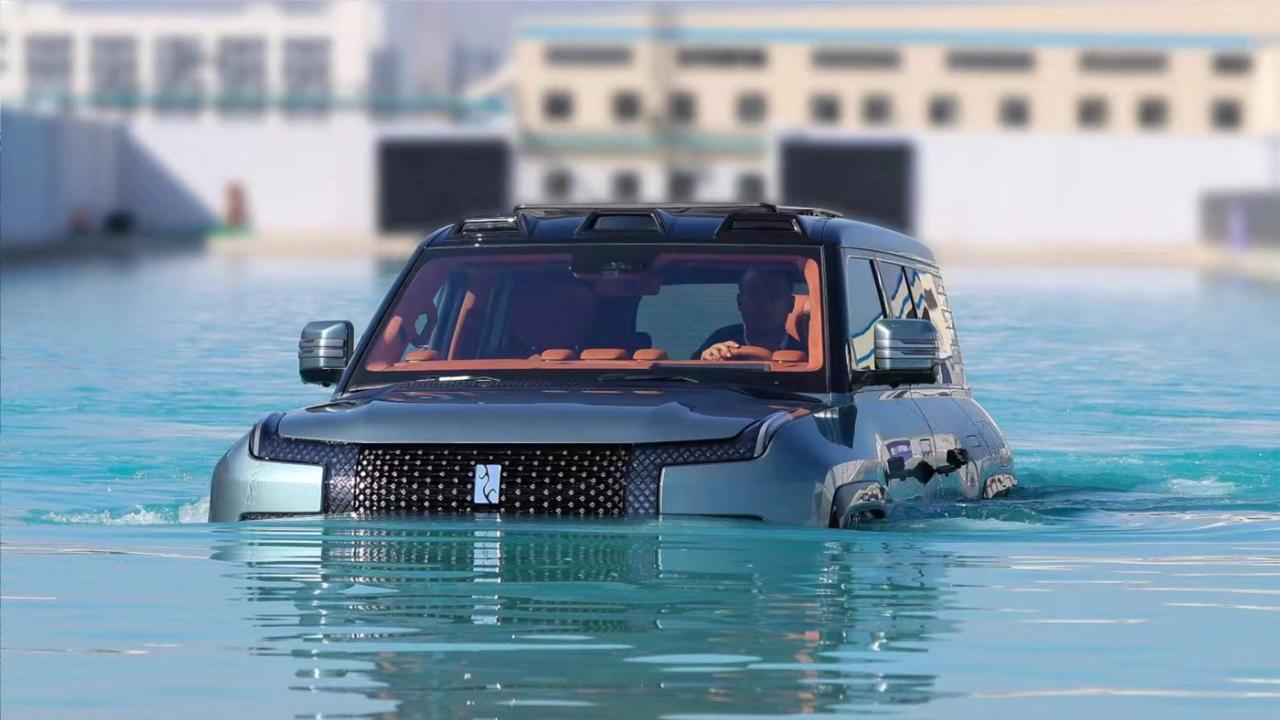
The investment in such a radical redesign is justified by a multitude of profound benefits that address the core pains of modern urban living.
A. Alleviating Chronic Surface Congestion: By moving a significant portion of traffic to an elevated stream, pressure on surface roads is dramatically reduced. This leads to smoother logistics, faster emergency response times, and the elimination of traffic gridlock as a primary urban ailment.
B. Unlocking Prime Urban Real Estate: The massive space currently devoted to asphalt for roads, parking lots, and garages can be repurposed. Imagine converting 30-40% of a city’s street area into parks, pedestrian plazas, community gardens, and bike paths, fundamentally enhancing livability and property values.
C. Drastic Reduction in Noise and Air Pollution: Floating cars, especially maglev-based systems, operate almost silently. Their electrification, coupled with a green grid, leads to zero direct emissions. This results in cleaner air and a quieter, more peaceful urban soundscape, directly improving public health outcomes.
D. Enhanced Safety and Accident Mitigation: With AI-controlled navigation in dedicated corridors, the risks of human error responsible for over 90% of accidents are nearly eliminated. Vehicles can maintain perfect spacing and communicate with each other to avoid collisions, making urban travel remarkably safer.
E. Superior Energy Efficiency and Sustainability: Maglev and advanced aerodynamic systems face minimal rolling resistance. When powered by renewable energy, the entire mobility ecosystem can achieve carbon neutrality. Furthermore, reduced stop-start driving in congested traffic leads to optimal energy use per passenger mile.
F. Resilience and Adaptive Capacity: Elevated networks are less susceptible to surface-level disruptions like flooding, roadworks, or surface accidents. They provide a more reliable transportation layer that can maintain functionality during various urban challenges.
D. Navigating the Challenges: Obstacles on the Path to Adoption
Despite the promising vision, the path to integrating floating cars is fraught with technical, financial, and social hurdles that must be thoughtfully navigated.
A. Colossal Initial Capital Investment: The cost of researching technology, manufacturing vehicles, and most significantly retrofitting or building new urban infrastructure is astronomical. Public-private partnerships and phased, district-by-district implementation will be crucial.
B. Regulatory and Legal Frameworks: Current transportation, aviation, and urban planning laws are ill-equipped for this new mode. Governments must develop entirely new regulatory sandboxes covering safety standards, air rights, liability, privacy (regarding movement data), and licensing.
C. Public Acceptance and Behavioral Change: Convincing citizens to trust and adopt a radically new form of transport is a major hurdle. Concerns about safety, reliability, cost, and the visual impact of elevated networks must be addressed through transparency, pilot programs, and public education campaigns.
D. Cybersecurity and System Vulnerability: A fully digital, interconnected mobility grid is a potential target for cyberattacks. Ensuring robust, quantum-resistant cybersecurity protocols is non-negotiable to prevent systemic failures or malicious takeovers.
E. Equity and Accessibility: There is a risk that such advanced systems could initially serve only affluent areas or become a premium service, exacerbating social divides. Planning must mandate equitable access, integrate with affordable public transit options, and ensure the system benefits all socioeconomic groups.
F. Aesthetic and Architectural Integration: The visual clutter of elevated guideways and skyports must be carefully designed. Architects will need to innovate to make these structures aesthetically pleasing, perhaps by integrating them with green walls, public art, or seamless building designs.
E. The Ripple Effect: Socioeconomic and Lifestyle Transformations
The adoption of floating car cities will catalyze changes far beyond transportation, reshaping how we live, work, and interact with our urban environment.
A. Urban Form and Architectural Evolution: Buildings will no longer need ground-level garages. Instead, they will feature integrated skyports. Facades and rooftops will be designed with access points in mind. Urban sprawl may be curtailed as efficient long-distance commuting within the city makes centralized living more attractive.
B. The Transformation of Logistics and Commerce: Delivery of goods will be revolutionized. Floating autonomous pods could handle just-in-time inventory restocking for businesses and rapid parcel delivery directly to skyports on residential towers, reshaping retail and supply chain management.
C. New Economic Sectors and Job Creation: While some driving jobs may phase out, entirely new industries will emerge: floating vehicle maintenance, 3D traffic control systems management, guideway construction and engineering, and the development of software for the urban mobility AI.
D. Shifts in Real Estate Dynamics: Properties with direct skyport access will see premiums. Conversely, areas near former major highways, now converted to green spaces, could become highly desirable residential zones. The value proposition of a location will shift from “proximity to a road” to “integration with the mobility grid.”
E. Enhanced Quality of Life and Public Health: With reclaimed land for green spaces and drastic reductions in pollution and noise, cities become healthier. This can lead to lower public health costs, increased outdoor activity, and overall improved mental well-being for residents.
F. The Roadmap to Implementation: A Phased and Pragmatic Approach
The transition will not happen overnight. A realistic, multi-generational roadmap is essential for success.
A. Phase 1: Research, Pilot Zones, and Standardization (Next 5-10 Years): Focus on closed-campus testing (airports, university campuses, industrial parks), developing international safety and communication protocols, and running small-scale public pilots in designated “smart districts.”
B. Phase 2: Corridor Development and Hybrid Integration (10-25 Years): Deployment of the first major inter-district and suburban-to-downtown corridors. Vehicles in this phase will likely be hybrid (wheel + levitation). Cities will begin retrofitting key arteries and establishing the foundational digital control infrastructure.
C. Phase 3: Network Maturation and Systemic Integration (25-50 Years): Expansion of the network into a comprehensive web covering most of the urban area. Full integration with other smart city systems (energy, waste, security). Gradual decommissioning and repurposing of obsolete surface road infrastructure begins in earnest.
D. Phase 4: The Fully Realized 3D City (50+ Years): The floating car network becomes the dominant mode of mechanized urban transport. The city’s design, from the ground up, reflects and is optimized for multi-layered, zero-emission, AI-coordinated mobility.
Conclusion: A Sustainable and Fluid Urban Future
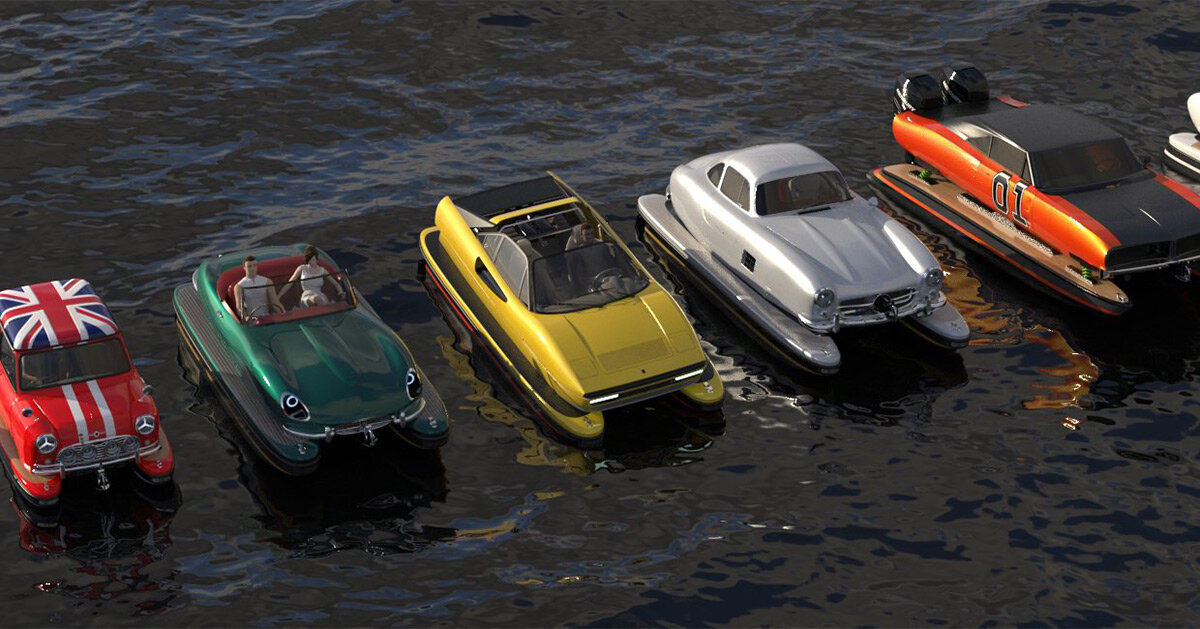
The integration of floating cars into city design is more than a technological upgrade; it is a necessary reimagining of urbanity for an increasingly crowded and environmentally conscious world. While the challenges are significant, the compounding crises of congestion, pollution, and spatial waste in our current cities demand bold, systemic solutions. By thoughtfully planning for this multi-dimensional mobility future, we can create cities that are not only more efficient and sustainable but also more humane, healthy, and aesthetically inspiring. The journey begins with vision, is sustained by collaboration between technologists, planners, and citizens, and culminates in the creation of truly intelligent urban ecosystems where mobility is seamless, silent, and sustainable. For those documenting this evolution, the narrative is rich with opportunity, signaling a pivotal shift in how humanity inhabits its greatest collective creation: the city.