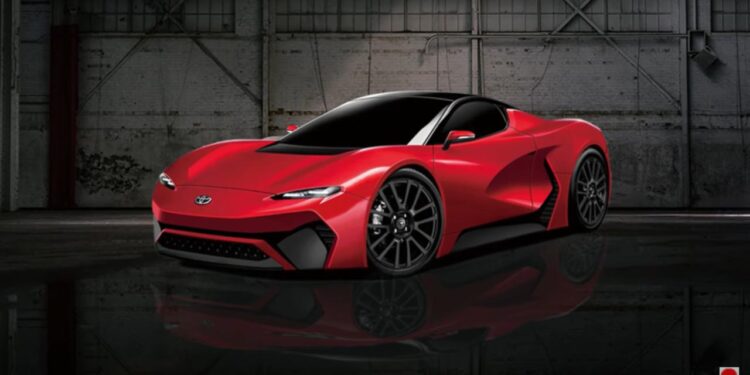
The concept of urban mobility stands on the precipice of its most radical transformation since the invention of the automobile. We are no longer merely iterating on horsepower or fuel efficiency; we are fundamentally reimagining the vehicle’s role within the urban ecosystem. The recent revelation of a next-generation city car concept is not just a showcase of a new model it is a blueprint for a seamless, intelligent, and sustainable urban future. This comprehensive exploration delves into the multifaceted technologies, societal impacts, and infrastructural revolutions embodied by these next-gen urban vehicles, illustrating how they will redefine our daily commutes, reshape our cityscapes, and restore harmony between metropolitan life and environmental stewardship.
A. The Core Philosophy: From Isolated Machine to Integrated Node
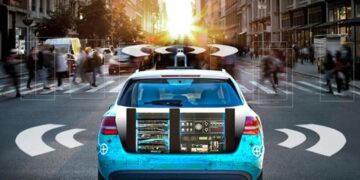
Traditional cars function as autonomous units, their interaction with the environment limited to the driver’s perception and reaction. The next-gen city vehicle dismantles this paradigm. Its foundational principle is connectivity. It is designed to operate as a dynamic data node within a vast, intelligent network a concept known as the Internet of Things (IoT) for mobility. This vehicle constantly communicates, a process integral to its operation and safety.
A.1. Vehicle-to-Everything (V2X) Communication: This is the central nervous system. V2X enables the car to exchange real-time data with:
-
Vehicle-to-Infrastructure (V2I): Traffic lights, signage, parking meters, and road sensors communicate optimal speed for “green waves,” hazard warnings (e.g., black ice, debris), and available parking spots.
-
Vehicle-to-Vehicle (V2V): Cars form ad-hoc networks to broadcast position, speed, and direction, enabling cooperative awareness to prevent collisions at intersections or during lane changes, even beyond the driver’s line of sight.
-
Vehicle-to-Pedestrian (V2P): Via smartphones or wearable devices, pedestrians’ locations are shared, prompting the vehicle to issue alerts and prepare automated braking systems if a potential collision is detected.
-
Vehicle-to-Network (V2N): Connection to cloud-based services for navigation updates, traffic rerouting, and access to broader data analytics.
A.2. The Architectural Revolution: To facilitate this, the vehicle’s architecture shifts from numerous discrete electronic control units (ECUs) to centralized, high-performance computers. This “software-defined vehicle” approach allows for over-the-air (OTA) updates, meaning safety improvements, new features, and performance enhancements can be delivered remotely throughout the car’s lifecycle, much like updating a smartphone.
B. Propulsion and Sustainability: The Silent, Clean Heart
At the core of these vehicles lies a commitment to zero tailpipe emissions, aligning with global carbon neutrality goals.
B.1. Advanced Electric Powertrains: While battery-electric vehicles (BEVs) are standard, next-gen models feature groundbreaking solid-state batteries. These promise nearly double the energy density of current lithium-ion packs, drastically reducing charging times to mere minutes and extending range to comfortably exceed 500 miles per charge, eliminating “range anxiety” for city dwellers and suburbanites alike. Furthermore, regenerative braking systems are hyper-efficient, recapturing kinetic energy not just from the wheels but from suspension movement, maximizing energy recuperation in stop-and-go traffic.
B.2. Sustainable Material Cycles: Sustainability extends beyond the drivetrain. The manufacturing process emphasizes a circular economy. Interiors utilize biomaterials vegan leather from mushroom mycelium or pineapple leaves, carpets from recycled ocean plastic, and structural components from carbon fiber derived from plant-based sources. The vehicle is designed for disassembly, with components clearly marked for easy recycling or refurbishment at the end of its service life, minimizing landfill waste.
C. The Autonomous Driving Experience: Reclaiming Time and Safety
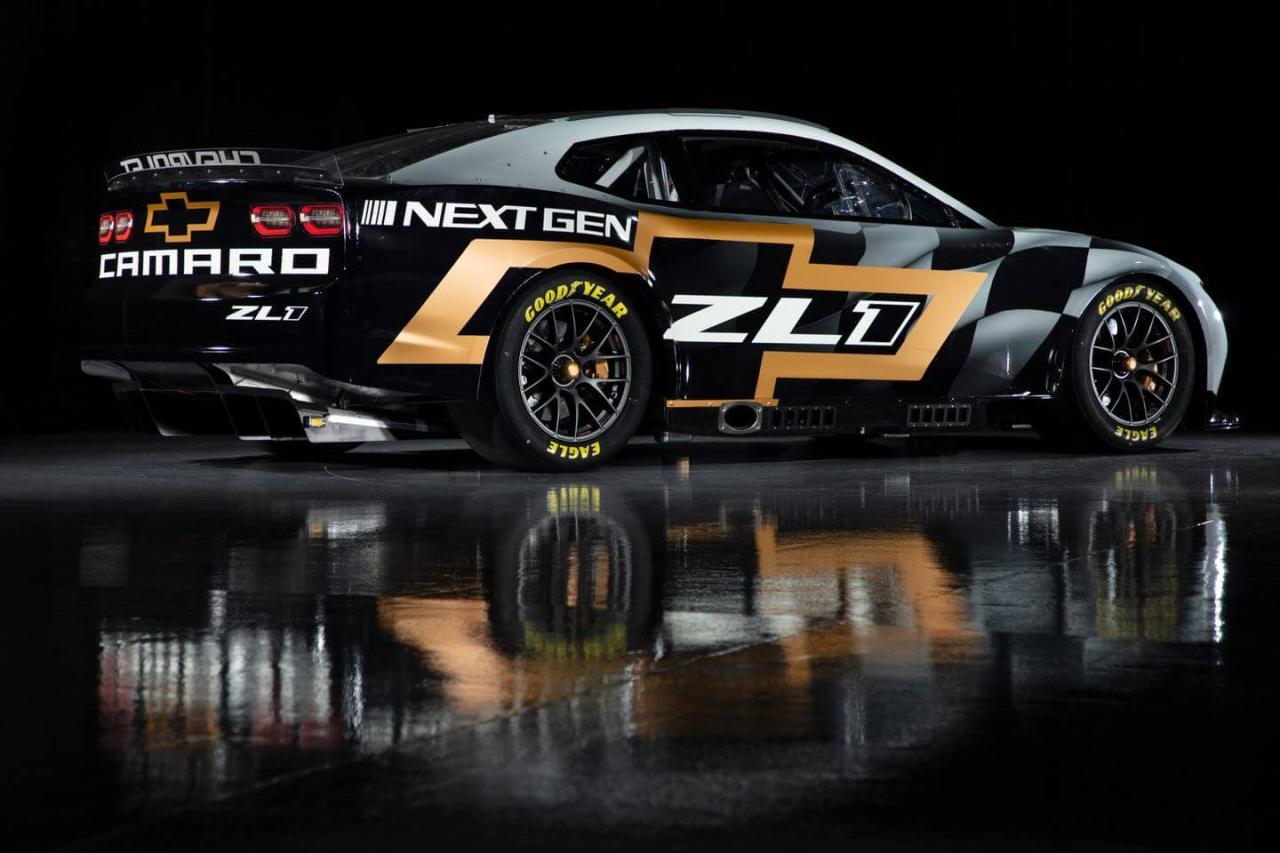
The interior of the next-gen city car is a sanctuary of productivity and relaxation, liberated by high-level automation (SAE Level 4). In designated urban zones or on mapped highways, the vehicle assumes full driving responsibility.
C.1. Sensor Fusion Mastery: This capability is enabled by a sophisticated array of complementary sensors. High-resolution LiDAR creates precise 3D point-cloud maps of the environment in any light condition. Radar provides robust velocity and distance data for surrounding objects, while ultrasonic sensors handle close-range parking. High-dynamic-range cameras, processed by neural networks, interpret complex visual scenes like traffic signs, pedestrian gestures, and construction zones. The AI doesn’t just see; it understands and predicts.
C.2. The Redesigned Cabin: With no need for a dedicated driver’s focus, the cabin transforms. Steering wheels and pedals may retract. Traditional layouts give way to lounge-like configurations: rotating seats, expansive interactive displays for work or entertainment, and augmented reality windshields that overlay navigation prompts and points of interest onto the real world. This turns commute time into productive or leisure time, fundamentally altering the economics and stress of personal travel.
D. Urban Symbiosis: Reshaping the City Itself
The widespread adoption of these vehicles will catalyze a physical and social metamorphosis of urban spaces.
D.1. Infrastructure Adaptation: Cities will evolve alongside the technology. Dedicated lanes for connected autonomous vehicles (CAVs) will optimize traffic flow. Smart parking facilities, where cars drop off passengers and park themselves in dense, efficient stacks, will free up an estimated 15-20% of urban land currently used for parking lots and street parking. This space can be reclaimed for green parks, bicycle lanes, and pedestrian plazas, enhancing urban livability.
D.2. Mobility-as-a-Service (MaaS) Integration: Individual car ownership may decline in favor of flexible MaaS subscriptions. Your next-gen vehicle could be a personal asset one moment and an autonomous taxi earning revenue for you when you’re at work or on vacation, seamlessly managed through a digital platform. This promises to reduce the total number of vehicles on the road while ensuring higher utilization rates for each unit.
D.3. Enhanced Safety and Equity: With AI drivers that never tire, get distracted, or drive impaired, the potential to reduce the over 1.3 million global road fatalities annually is immense. Furthermore, these vehicles can provide unprecedented mobility for the elderly, disabled, and those unable to drive, fostering greater social inclusion and access to essential services.
E. Addressing the Challenges: The Road to Realization
This future is not without significant hurdles that must be navigated with careful deliberation.
E.1. Cybersecurity and Data Privacy: A connected vehicle is a potential entry point for cyberattacks. Robust, multi-layered cybersecurity protocols, using blockchain for secure data transactions and continuous intrusion detection systems, are non-negotiable. Furthermore, the massive amount of personal data generated from travel patterns to in-car activities requires transparent, user-controlled privacy frameworks and strict regulatory oversight.
E.2. Ethical AI and Legal Frameworks: Autonomous systems will face complex moral dilemmas in unavoidable accident scenarios. Who programs these decisions, and based on what ethical framework? Simultaneously, legal liability in accidents involving autonomous vehicles must be clearly established, moving from driver fault to potential manufacturer or software developer responsibility.
E.3. Infrastructure Investment and Digital Divides: The requisite V2X infrastructure requires colossal public and private investment. There is a risk of creating “smart cities” that exclude less affluent areas, exacerbating existing social inequalities. Ensuring equitable rollout is as critical as the technology itself.
E.4. Workforce Transition: The automation of driving will disrupt the transportation sector, affecting millions of professional drivers globally. Proactive policies for retraining, upskilling, and social safety nets are essential to manage this transition justly.
F. The Long-Term Vision: Beyond the Car
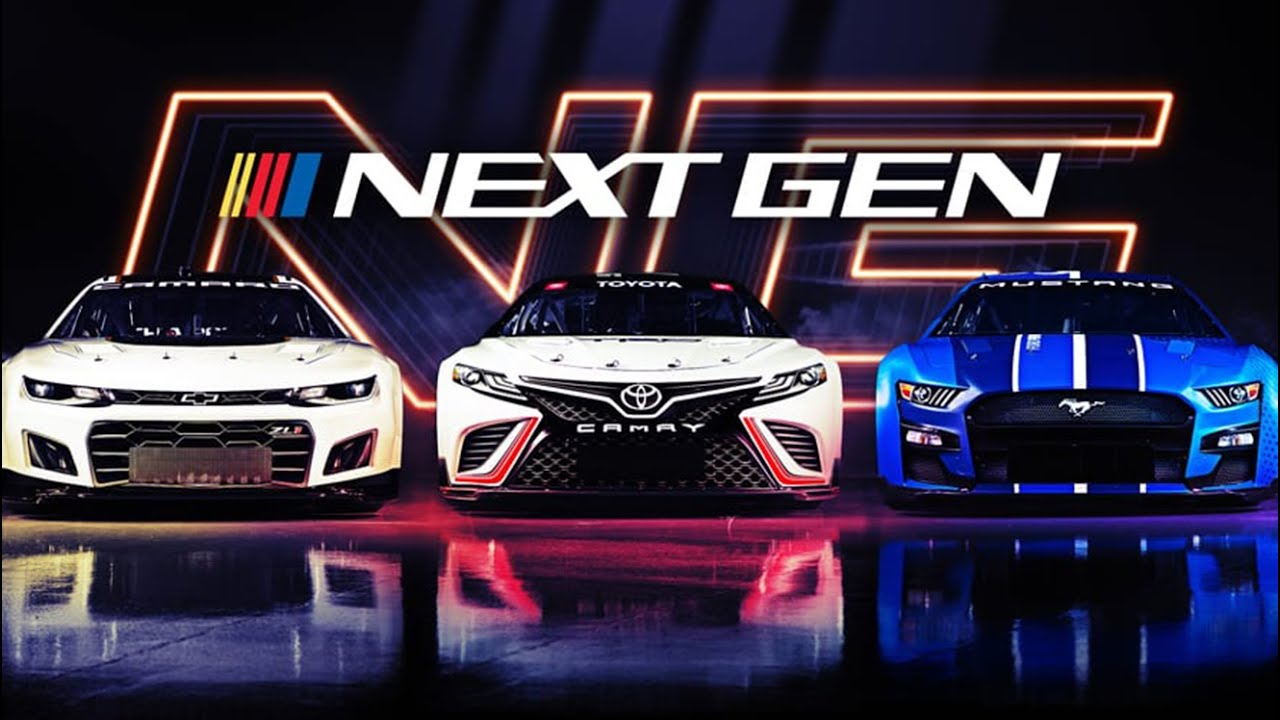
Ultimately, the next-gen city vehicle is a keystone in a broader vision of holistic urban intelligence. It integrates with smart energy grids, drawing power during off-peak hours and potentially feeding stored energy back during demand spikes (vehicle-to-grid, or V2G). It supports urban logistics through automated delivery modules. It provides constant, anonymized data to city planners to optimize public transit, road maintenance, and emergency services.
The revelation of these vehicles is more than an automotive press release; it is a declaration of intent for our collective urban future. It promises cities with cleaner air, quieter streets, safer roads, and more humane spaces. The journey from concept to ubiquitous reality will be complex, demanding unprecedented collaboration between engineers, policymakers, urban planners, and citizens. However, the destination a city where mobility is intelligent, effortless, sustainable, and inclusive is a vision worthy of the relentless innovation driving us toward it. The next-generation city car is not just a mode of transport; it is the key to unlocking the true potential of our metropolitan hearts.