In the rapidly evolving landscape of urban transportation, the advent of smart vehicles encompassing electric, hybrid, and increasingly autonomous cars promises a revolution not just in how we drive, but in the very economics of personal mobility. Moving beyond the initial allure of cutting-edge technology and environmental benefits, a critical question emerges for city dwellers: What is the true financial impact of integrating a smart car into one’s urban life? This comprehensive guide delves deep into the multifaceted cost structure of owning and operating a smart vehicle in a metropolitan environment, analyzing expenses far beyond the sticker price to provide a clear, detailed financial roadmap for prospective owners.
The narrative surrounding smart cars often focuses on their high-tech features and green credentials. However, to make an informed decision, one must undertake a meticulous examination of both apparent and hidden costs, juxtaposed against potential savings. This analysis covers acquisition, energy consumption, maintenance, insurance, technology subscriptions, and the influence of urban infrastructure, painting a complete picture of the long-term fiscal commitment.
A. Initial Acquisition and Financial Incentives
The journey begins with the upfront capital required. Smart vehicles, particularly fully electric models (EVs) and those with advanced driver-assistance systems (ADAS), typically command a higher purchase price compared to their conventional internal combustion engine (ICE) counterparts. This premium, often referred to as the “technology cost,” pays for the extensive research, development, and sophisticated components like large battery packs, sensor suites (LiDAR, radar, cameras), and powerful onboard computers.
However, this initial outlay is frequently mitigated by a complex web of financial incentives designed to accelerate adoption. These include:
A. Federal and state tax credits or rebates that directly reduce the taxable amount or provide a post-purchase refund.
B. Local city or utility incentives, such as reduced registration fees, exemptions from congestion charging zones (like London’s ULEZ), or cash grants.
C. Manufacturer discounts and promotional financing rates, which are increasingly common as competition intensifies in the EV and smart car market.
Prospective buyers must diligently research available incentives in their specific city and state, as these can substantially lower the effective purchase price, sometimes by thousands of dollars, narrowing the gap with traditional vehicles.
B. The Economics of Urban Energy Consumption: Electricity vs. Gasoline
One of the most significant and transformative differences in cost lies in fueling. For battery electric vehicles (BEVs), the cost of electricity per mile is consistently lower than the cost of gasoline per mile, a disparity often amplified in cities with high fuel taxes. The calculation, however, is not uniform.
Urban dwellers must consider their primary charging method:
A. Home Charging: This is the most cost-effective option. Installing a Level 2 home charging station involves an upfront installation cost (ranging from $500 to $2,000, possibly with incentive offsets), but results in cheap, convenient overnight charging at residential electricity rates.
B. Public Charging Networks: Reliance on public DC fast chargers, especially those from premium networks, can be significantly more expensive sometimes approaching gasoline-equivalent costs. Usage patterns matter; those without dedicated home parking (common in dense cities) may depend more on these pricier options.
C. Time-of-Use Rates: Many urban utilities offer discounted electricity rates during off-peak hours (e.g., overnight). Smart car owners can program their vehicles to charge during these periods, maximizing savings.
Furthermore, smart features like regenerative braking recapture energy in stop-and-go city traffic, improving efficiency in the very environment where conventional cars are least efficient. Over a year of typical urban commuting (approx. 12,000 miles), the fuel savings for an EV can range from $800 to $1,500 annually compared to a similar gasoline-powered car, depending on local energy and gas prices.
C. Maintenance and Repair: A Simplified Yet Complex Paradigm
A cornerstone of smart car cost savings is reduced routine maintenance. The simplicity of the electric powertrain with no oil, spark plugs, timing belts, or complex transmissions to service translates to lower and less frequent maintenance visits. Estimates suggest EV owners spend about 40% less on maintenance over the vehicle’s lifespan.
Yet, the urban context and technological sophistication introduce new considerations:
A. Tire Wear: Instant torque and heavier vehicle weight (due to batteries) can lead to accelerated tire wear, especially with aggressive city driving. This is a recurring cost that must be factored in.
B. Software Updates: Unlike traditional cars, smart vehicles receive over-the-air (OTA) software updates that can improve performance, add features, and fix bugs. While sometimes included for a period, premium updates or major “feature unlocks” may incur fees.
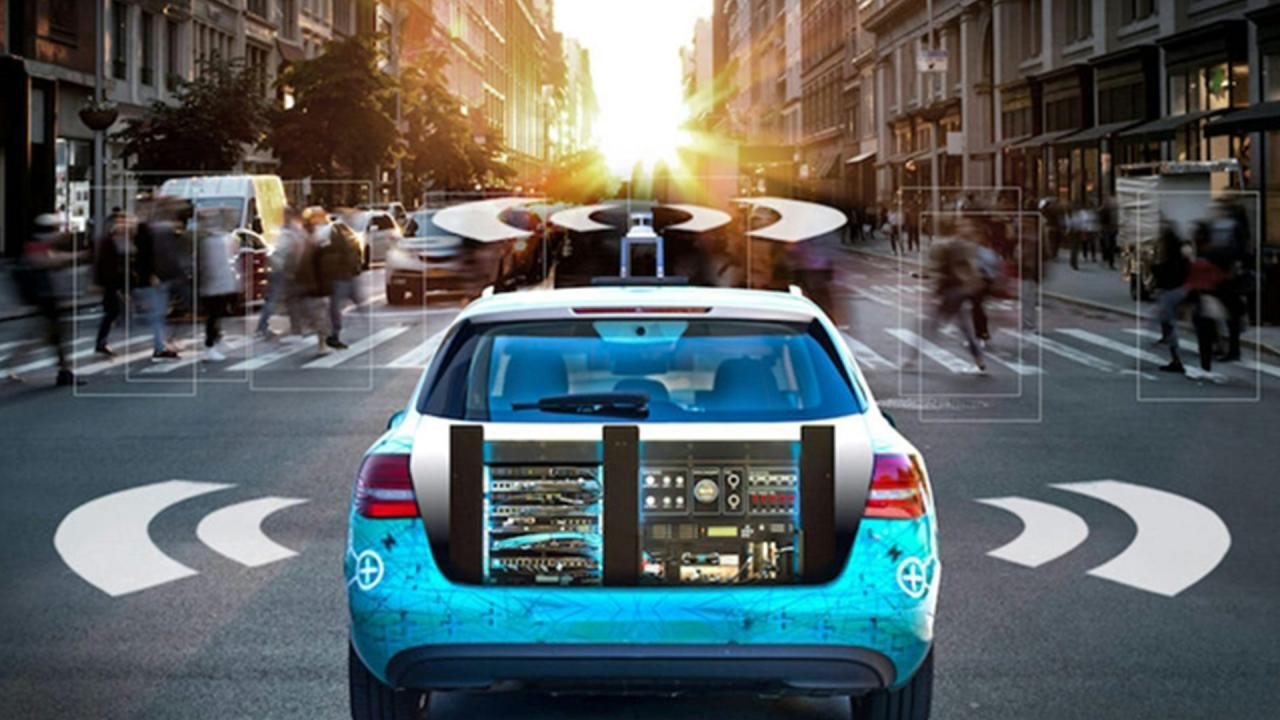
C. Specialized Repairs: While the drivetrain is simpler, repairing advanced technology like sensor arrays, intricate touchscreen displays, or battery packs (outside of warranty) requires specialized technicians and can be extremely costly. A single damaged LiDAR sensor or camera can result in a repair bill of several thousand dollars.
D. Insurance Premiums: The High-Tech Liability
Insurance costs for smart vehicles in cities present a complex picture. Insurers analyze a multitude of factors:
A. Higher Repair Costs: The expensive, specialized components and repair procedures mentioned above often lead to higher insurance premiums to offset the insurer’s risk.
B. Enhanced Safety Features: Conversely, advanced safety systems (automatic emergency braking, lane-keeping assist) have been proven to reduce the frequency and severity of collisions. Many insurers now offer discounts for vehicles equipped with verified ADAS.
C. Telematics and Usage-Based Insurance (UBI): Many smart cars facilitate UBI programs where your driving behavior hard braking, acceleration, speed, and time of day is monitored via telematics. Safe driving in the city can lead to significant discounts, while aggressive driving can increase premiums.
The net effect varies greatly by driver profile, location, insurer, and specific vehicle model. It is imperative to obtain multiple insurance quotes before purchasing.
E. The Subscription Model and Digital Services
A modern and evolving cost dimension is the proliferation of subscription services. Beyond the physical car, manufacturers are creating recurring revenue streams by offering digital features on a subscription basis. For urban users, these may include:
A. Premium Connectivity: Packages for enhanced in-car internet, real-time traffic visualization, and streaming media services.
B. Advanced Driver-Assistance Subscriptions: Features like Tesla’s “Full Self-Driving” or GM’s “Super Cruise” may require monthly or annual payments after an initial trial period.
C. Performance or Comfort Upgrades: Some manufacturers offer paid OTA updates to increase horsepower, improve acceleration, or enable features like heated rear seats.
This “car-as-a-platform” model transforms a one-time purchase into an ongoing service relationship, adding a potentially significant annual cost that must be included in the total ownership calculation.
F. Urban Infrastructure and Indirect Costs
The city itself imposes unique costs and benefits on smart car owners.
A. Parking and Charging: Some cities offer discounted or free parking for EVs. Dedicated EV charging spots are becoming more common in public garages, but may carry a premium fee. Home charging infrastructure may be challenging or impossible in apartment buildings without landlord cooperation.
B. Congestion and Road Tolls: Certain smart vehicles, especially plug-in hybrids and EVs, may qualify for exemptions from congestion pricing or toll discounts, leading to substantial daily savings for commuters.
C. Depreciation: Historically, EVs faced steep depreciation, but this has dramatically shifted. High demand, improved battery longevity, and rising fuel prices have made many popular smart car models retain value exceptionally well, sometimes outperforming ICE vehicles. This positively impacts total cost of ownership.
G. Long-Term Value and Total Cost of Ownership (TCO)
The ultimate metric is the Total Cost of Ownership (TCO) over, say, a 5-year period. This holistic calculation includes:
-
Depreciated purchase price (after incentives)
-
Total energy/charging costs
-
Cumulative maintenance and repair expenses
-
Insurance premiums paid
-
Any subscription or software fees
-
Registration and taxes
-
Minus any residual/resale value
Numerous studies now consistently show that for many urban use cases, the higher upfront cost of a smart car, particularly an EV, is offset by lower operating expenses. The break-even point arrives sooner in cities with high gasoline prices, generous incentives, and accessible home charging. Over five years, the TCO of a smart EV can be thousands of dollars lower than a comparable gasoline car.
H. Future-Proofing and Anticipating Urban Trends
Investing in a smart car is also a bet on the future of the urban landscape. Cities worldwide are implementing policies to phase out ICE vehicles, expand charging networks, and integrate smart cars with public transit systems. Ownership costs are expected to evolve further:
A. Falling Battery Costs: As battery technology improves and production scales, purchase prices will continue to decrease.
B. V2G (Vehicle-to-Grid) Revenue: Future smart EVs may earn money for their owners by selling excess stored energy back to the grid during peak demand, turning the car into a mobile asset.
C. Regulatory Changes: Stricter emissions regulations could impose new costs on ICE vehicles, making smart cars even more financially attractive.
Conclusion
The financial analysis of integrating a smart car into city life reveals a nuanced equation, far removed from simple comparisons. While the initial price tag remains a hurdle, a detailed breakdown of urban expenses consistently demonstrates a compelling long-term economic argument. The paradigm shifts from paying more at the pump and for frequent mechanical maintenance to managing a higher technology acquisition cost offset by cheaper energy, reduced routine servicing, and potential access to urban incentives.
The decision ultimately hinges on individual circumstances: access to home charging, daily commute patterns, local utility rates and incentives, and willingness to engage with evolving subscription models. For the urban driver who can navigate these variables, the smart car represents not merely a technological upgrade, but a financially sound investment in a more sustainable and increasingly connected personal transportation future. The city of tomorrow, with its clean-air zones and smart grids, is being built today, and the economics of smart vehicle ownership are a fundamental part of that blueprint.