In the world of automotive enthusiasm and professional driving, the ability to control a vehicle with precision, confidence, and flair stands as the ultimate demarcation between a novice and a master. While many view advanced car control as the exclusive domain of stunt drivers or racetrack veterans, the reality is that these skills are a combination of understandable physics, practiced techniques, and mental fortitude. They enhance safety, deepen the driving experience, and unlock a new dimension of interaction with your vehicle. This comprehensive guide is designed to deconstruct the complexities of advanced car handling, providing a structured, safe, and detailed pathway to mastering these impressive maneuvers efficiently.
The journey to proficiency begins not with the car, but with the driver’s mindset and the foundational principles that govern vehicle dynamics. Understanding these core concepts is non-negotiable for safe and effective practice.
A. The Critical Triangle: Traction, Weight Transfer, and Momentum
Every advanced maneuver is a manipulation of these three interconnected forces. Traction is the finite grip your tires have on the road surface. Weight transfer refers to the load shifting across the four tires during acceleration, braking, and turning. Momentum is the vehicle’s inherent tendency to keep moving in its current direction. Mastering car control means learning to balance and exploit these forces intentionally, rather than fighting against them.
B. Vehicle Preparation and Safety as Prerequisites
Attempting any advanced technique in an unprepared vehicle or uncontrolled environment is perilous. Mastery requires a foundation of safety.
1. Mechanical Integrity: Ensure your vehicle’s brakes, tires, suspension, and steering are in impeccable condition. Performance tires with good tread are essential.
2. Dedicated Space: A vast, empty, and perfectly smooth asphalt area such as a deserted parking lot or a sanctioned skid pad is mandatory. Public roads are never an option.
3. Mental Readiness: Approach each session with focus, patience, and respect for the vehicle’s power. Overconfidence is a primary cause of failure.
With a solid theoretical foundation and a prepared vehicle, we progress to the essential techniques that form the building blocks of advanced control. These skills should be practiced to instinctual levels.
C. Threshold Braking: The Art of Maximum Deceleration
This is the skill of applying braking force to the precise point just before the wheels lock up (in non-ABS cars) or before the ABS intervenes (in modern cars). It maximizes stopping power and maintains steering control during hard braking. Practice by accelerating to a moderate speed, then braking progressively harder until you feel the feedback through the pedal and chassis, learning the vehicle’s limit.
D. Heel-and-Toe Downshifting: Seamless Rev-Matching
This classic technique allows for smooth, balanced downshifts while braking, preventing drivetrain shock and stabilizing the car. It involves operating the brake pedal with the ball of your right foot while “blipping” the throttle with the right heel or side of the foot to match engine speed to wheel speed during a gear change. It is fundamental for performance driving and enhances mechanical sympathy.
E. Left-Foot Braking: Precision and Balance
Using the left foot to brake while the right foot manages the throttle provides nuanced control over weight transfer. It allows for minor adjustments to the car’s balance mid-corner without the jarring effect of lifting off the throttle completely, helping to tighten a line or induce slight rotation.
F. The Slip Angle and Controlled Oversteer
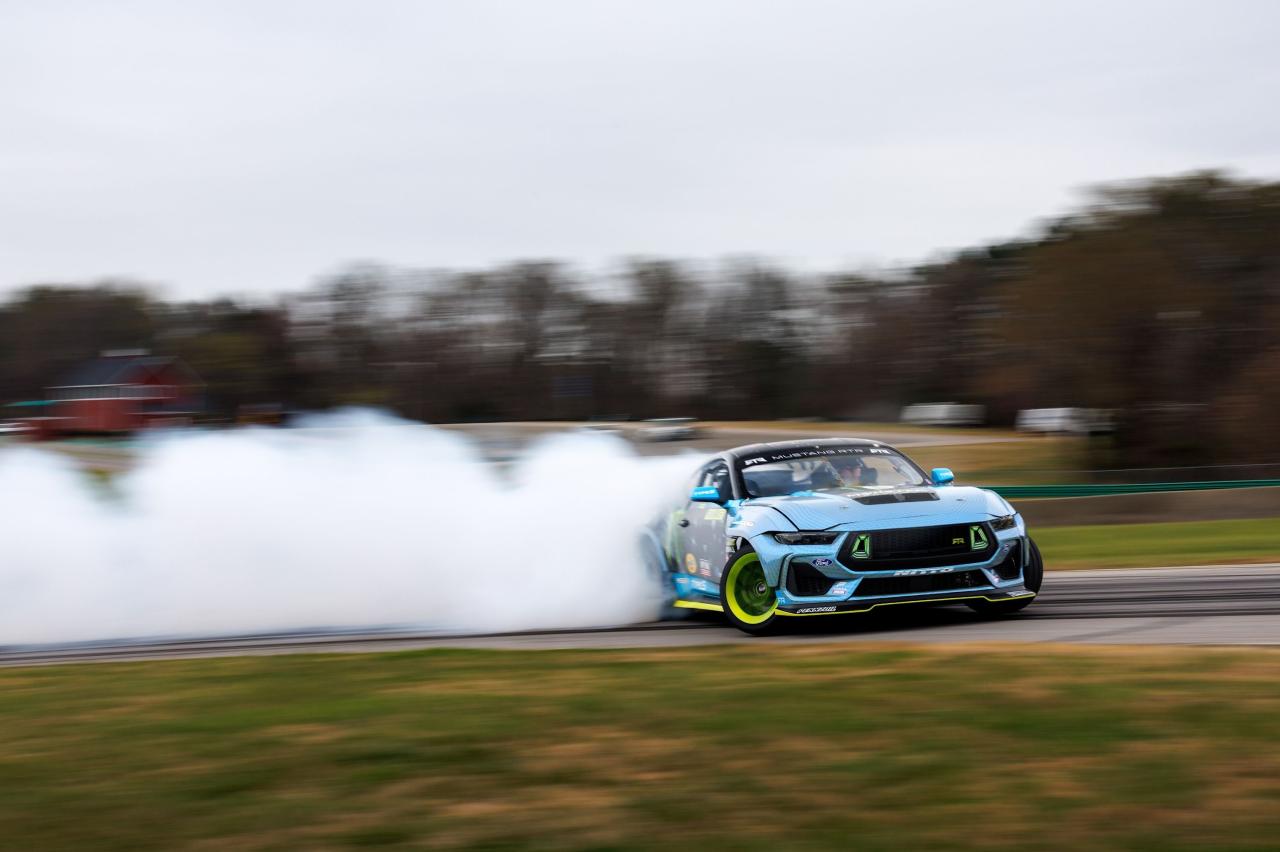
This involves managing the car when the rear tires lose traction and the rear of the car steps out, a state known as oversteer. The goal is not a wild spin, but a controlled slide. Key steps include:
1. Initiation: Often via a quick lift-off of the throttle, a sharp steering input, or a deliberate application of power in a rear-wheel-drive car.
2. Correction: Promptly and smoothly steering into the direction of the slide (counter-steering).
3. Modulation: Using precise throttle input to maintain the slide angle more throttle to extend the slide, less to bring it back in line.
4. Exit: Gradually reducing the steering and throttle inputs as traction is regained to exit the maneuver smoothly.
G. The Pendulum Turn (Scandinavian Flick)
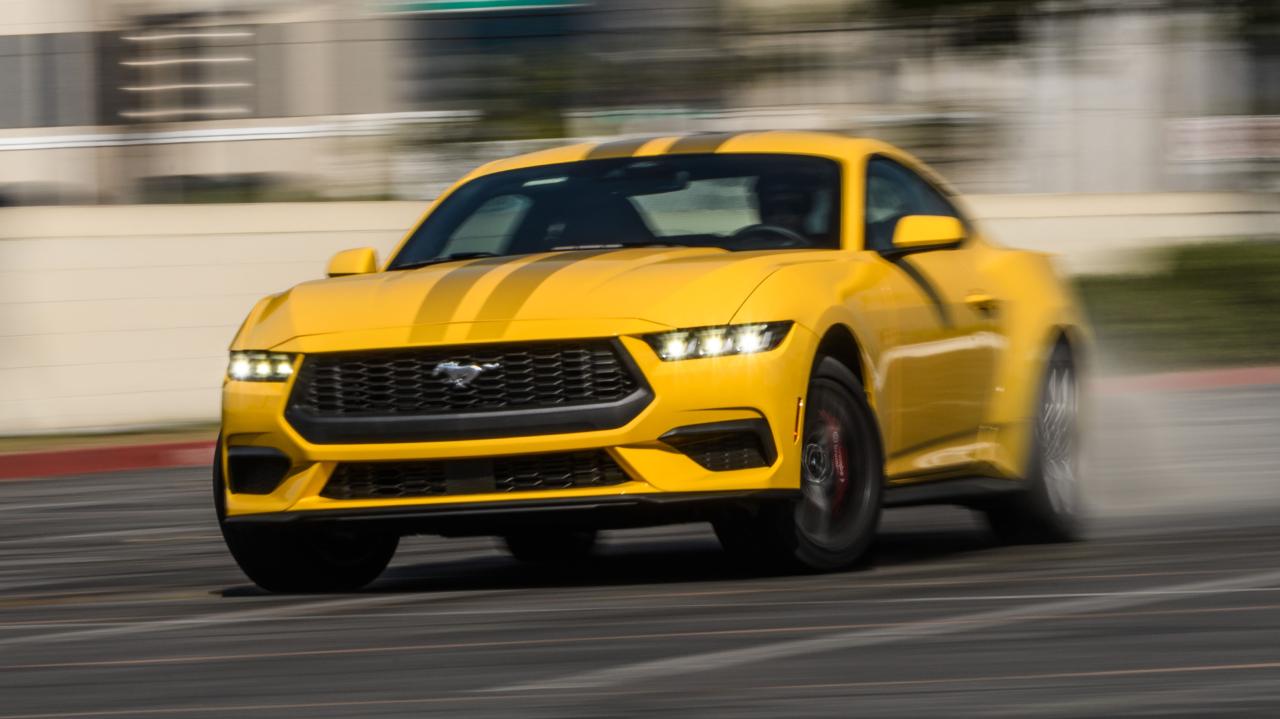
A deliberate technique to induce oversteer in low-grip conditions, famously used in rallying. It involves a slight turn away from the intended corner direction (transferring weight), followed immediately by a sharp turn into the corner. This “flicks” the weight of the car, breaking rear traction and setting the vehicle into a controlled slide around the bend.
H. The Art of the J-Turn (180-Degree Reverse Spin)
A dynamic maneuver to rapidly change direction 180 degrees from a stationary or rolling reverse. It involves accelerating in reverse, turning the steering wheel sharply in one direction, then quickly shifting to drive while counter-steering and applying forward throttle. It demands precise timing and is a superb exercise in understanding transitional vehicle dynamics.
I. Mastering the Handbrake Turn
Using the handbrake (parking brake) to lock the rear wheels is a direct method to initiate a sharp turn or a 180-degree spin, particularly at lower speeds. The sequence is: approach at a low speed, depress the clutch (in a manual), turn the wheel, firmly apply and hold the handbrake, and as the car rotates, release the handbrake, drop the clutch, and drive away in the new direction.
Efficient mastery is not about mindless repetition but about deliberate, analytical practice. Structuring your learning process dramatically accelerates progress.
J. The Incremental Progression Method
Never attempt the full, complex maneuver initially. Break it down into its constituent parts. For a J-turn, first master reversing in a straight line at speed, then practice the sharp steering input alone, then combine elements slowly.
K. Sensory Feedback Analysis
Develop a sensitivity to the vehicle’s language the sound of the tires, the feel through the steering wheel (seat-of-the-pants feel), and the visual cues. Is the tire squeal a gentle protest or a scream of distress? Is the steering weight going light? This feedback is your real-time data for correction.
L. Systematic Drilling and Consistency
Allocate regular, short practice sessions focused on a single skill. Consistency trumps marathon, infrequent sessions. The goal is to build muscle memory and neural pathways until the correct response becomes automatic.
M. Simulation as a Supplementary Tool
While no substitute for real-world practice, high-fidelity racing simulators with force-feedback wheels and pedals are invaluable for learning concepts, track layouts, and refining inputs at zero risk and cost.
Mastery transcends physical technique; it is a cognitive discipline. The fastest drivers are often the calmest and most strategic.
N. Vision and Anticipation
Your eyes should be looking far ahead, at the exit of the corner or the next landmark, not fixed on the hood. Your hands and feet will follow where you look. Anticipate the vehicle’s behavior a second before it happens.
O. Smoothness as the Ultimate Currency
Erratic, jerky inputs upset the vehicle’s balance. Smooth, progressive steering, braking, and throttle application are hallmarks of expert control. Strive to drive so smoothly that a passenger could balance a cup of water on the dashboard.
P. Emotional Detachment and Error Analysis
Mistakes are data, not failures. Analyze errors without frustration: “I applied throttle too early,” not “I messed up.” This objective mindset enables rapid iteration and improvement.
Ultimately, these skills converge into a holistic command of the vehicle, where the car feels like a natural extension of the driver’s body and will. This synergy allows for not just the execution of tricks, but for a profound elevation in everyday driving safety and enjoyment. You will develop an intuitive sense for grip limits, an unconscious ability to correct slides, and a calm, prepared reaction to unexpected hazards on the road. The vehicle ceases to be a mere tool of transport and becomes a partner in motion.
The path to mastering advanced car control is a continuous journey of learning and refinement. It demands respect, discipline, and intelligent practice. By internalizing the physics, diligently drilling the techniques, and cultivating the champion’s mindset, you can efficiently transform yourself from a passive operator into an active, confident, and masterful driver. Remember, true mastery is not about showing off; it is about the invisible competence that ensures you are the most capable person behind the wheel in any situation. Start with the fundamentals, prioritize safety above all else, and enjoy the deeply rewarding process of unlocking your full driving potential.